
The Different Ways Players Experience Progression in World of Warcraft
Few parts of WoW have changed over the year as much as leveling has. What once felt like the game’s purpose is now more like a stepping stone towards brighter and better content.
Still, there is no single “correct” way to level. The experience is deeply personal, shaped by goals, playstyles, and what players value most in their time spent in Azeroth.
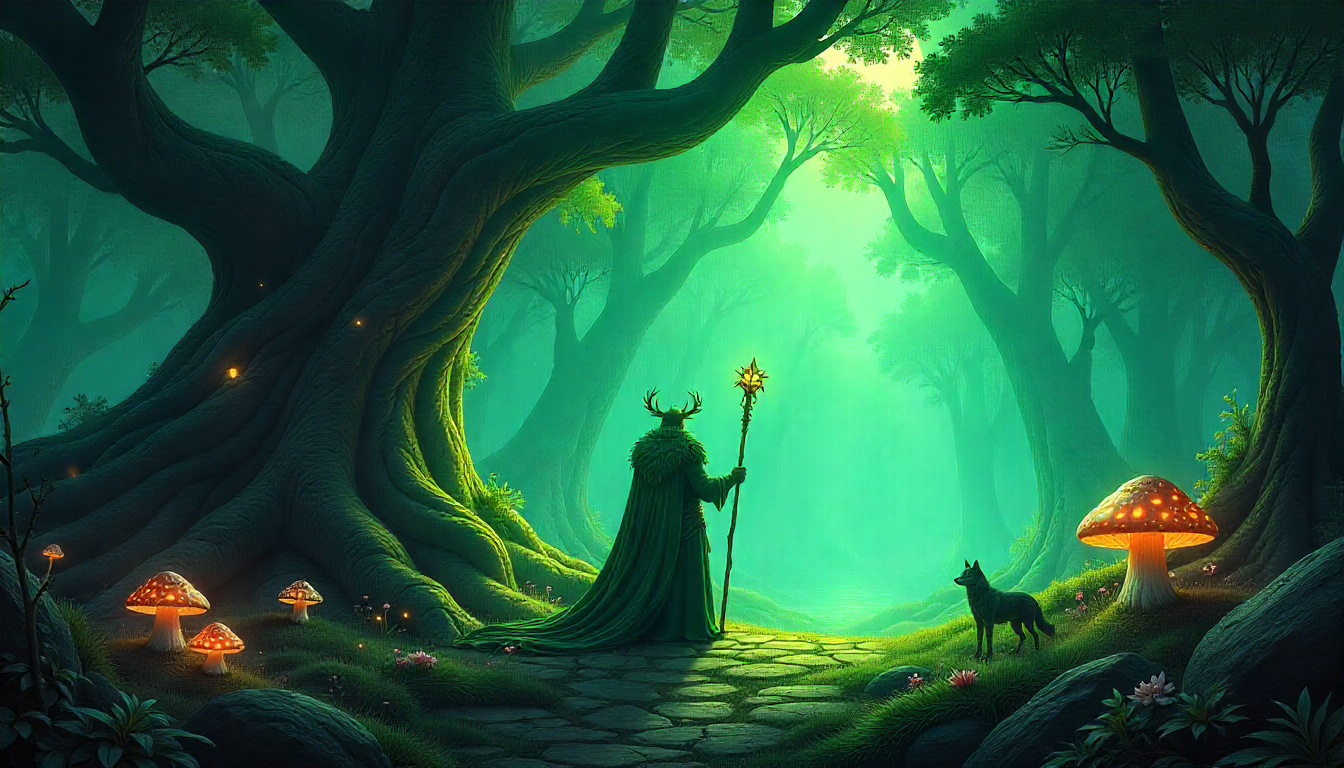
This article explores the many different paths to max level in modern WoW and what each one tells us about how players engage with the game — whether they treat leveling as a journey, an obstacle, a challenge, or a blank canvas for creativity.
You can never have enough gold in World of Warcraft. Luckily, there are plenty of ways to get gold safely and quickly. You can buy Pandaria gold and no one could rival your wealth afterward!
The Traditional Questing Experience
For many players, questing through zones is the most “pure” way to level. It’s how the game was originally designed to be experienced. Each zone tells a story, slowly unfolding through its questlines, NPC dialogue, and environmental design.
From Elwynn Forest to Zuldazar, the world is built to draw the player in gradually. Every 5 or 10 levels unlocks a new chapter in the character’s development, whether through new spells, new zones, or story beats.
This style appeals most to players who enjoy immersion and lore. They like reading quest text, following narratives, and watching the world change around them. For roleplayers and story-driven adventurers, questing isn’t something to skip through — it is the game.
These players might even turn off heirlooms or intentionally slow themselves down, wanting to feel the weight of the journey.
Still, even among questers, approaches vary. Some follow strict zone order for continuity. Others mix in dungeons, battlegrounds, or profession grinding to break up the pace. Questing has structure, but it also allows personal variation.
Dungeon Grinding and Group Leveling
Some players find the open world too slow or inefficient. For them, leveling through dungeons is the preferred method. With the advent of Dungeon Finder, a full dungeon group is just a few clicks away.
This method appeals to players who value time efficiency, experience optimization, or enjoy the group dynamics of healing, tanking, or damage-dealing.
Dungeons offer repeatable, high-yield experience and reliable gear upgrades. For players who don’t care about the story or already know it by heart, this can be a way to reach max level quickly — especially on alts.
Dungeon grinding also appeals to certain social circles. Friend groups or guilds sometimes do dungeon crawls together, turning leveling into a co-op experience. Some challenge themselves to only level in dungeons, never stepping foot into quest zones.
This alternate path may lack narrative cohesion, but it offers its own form of satisfaction, especially for players focused on mechanics, builds, or group performance.
Chromie Time and Timeline Choice
One of the best changes to leveling came in the form of chromie time. This system allowed players to replay old expansions and level them up so that your character could find a challenge even in old content.
This is great for people that want to reexperience their favorite parts of the game while still productively leveling themselves up!
This feature was very tempting, specially for people that were coming back to the game after a long time and lore seekers.
Chromie Time also adds a form of “seasonal flavor” to leveling. A player might choose Pandaria in the spring for its aesthetic, or Northrend in the winter for its cold, harsh atmosphere.
The ability to choose the narrative setting lets players tailor their journey to their preferences in tone, zone design, or even soundtrack.

Boosts, Skips, and Paid Shortcuts
For some, leveling is merely an obstacle — a means to an end. These players often use character boosts, whether earned or purchased, to skip the leveling process entirely.
Boosts immediately place the character at level 60 (or the current expansion’s baseline), fully geared and ready for endgame.
This option appeals to players who are focused on raiding, PvP, or late-game economy. They might already have one or more characters leveled “the normal way” and want to jump straight into relevant content with a new class.
Others may be returning players who want to skip old expansions they’ve already experienced.
While controversial in some circles, boosts reflect a reality: not everyone finds leveling fun. For those players, it’s more of a chore than an adventure. The presence of boosts is a recognition that the game means different things to different people.
Hardcore Leveling: Self-Imposed Challenge
In sharp contrast to the shortcut crowd is the growing niche of hardcore levelers. These players impose different challenges to themselves like not using the Auction House, no deaths and even no talents!
Hardcore leveling turns the journey into a test of skill, patience, and strategy. Every decision matters.
A single mistake can end a run that took dozens of hours. This method appeals to competitive and goal-oriented players who thrive under pressure and enjoy rising stakes.
In Retail WoW, the hardcore concept is more rare but still exists. Players might speedrun levels, create permadeath rules for themselves, or do Ironman challenges. While not officially supported as fully as in Classic, the mindset carries over.
Alt Leveling: Comfort Food for Veterans
Veteran players often level alts for a variety of reasons: trying out new classes, accessing profession benefits, or simply relaxing.
For them, leveling is familiar, almost meditative. It’s a way to unwind after work or listen to a podcast while clearing quests in the Barrens.
These players tend to optimize their path — heirlooms, rested XP, addons like Azeroth Auto Pilot — but they’re not necessarily in a rush. They enjoy the rhythm. Many return to their favorite expansions over and over, finding comfort in what they know.
Alt leveling also supports experimentation. A player might try leveling a Discipline Priest one week and a Survival Hunter the next. It’s not about efficiency — it’s about learning how classes feel to play and what fantasy resonates most.
Leveling as Storytelling: The Roleplayer’s Path
In the roleplaying community, leveling can be part of a larger narrative arc. A character’s early levels are not just tutorial stages but formative years in their personal story.
Where they train, what quests they choose, and who they interact with become part of their backstory.
RP-focused levelers often go slowly. They may linger in starter zones long after they’ve outleveled the quests.
They might choose professions and talents based on their character’s theme rather than performance. For them, leveling is a canvas — a way to express identity, personality, and growth.
Some even level exclusively through in-character interactions, skipping combat content entirely. These players turn Azeroth into a stage and use leveling as a quiet narrative thread, woven through tavern nights and guild events.
In Conclusion
Nothing speaks to WoW’s versatility like the many ways players can level up their character.
The systems are so different and intricate that you can even tell a lot about the character itself as well as the player behind it by how they went about leveling up.
In a game with endless ways to play, how you get there is often the most enjoyable part of the journey.